
Nature quizzes: animals, plants and life sciences
Animals, plants, fruit and vegetables: 7 free nature quizzes to sort the living world in under a minute and test your science knowledge.
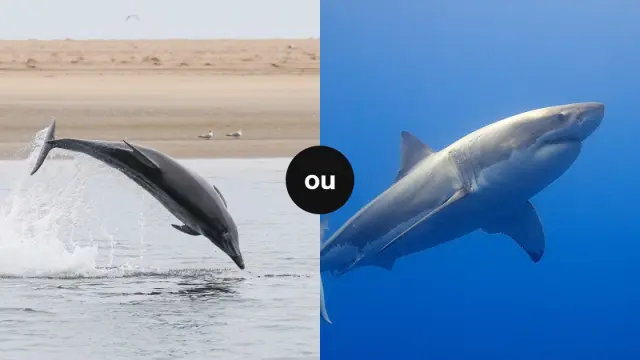 Marine mammal or fish?
Nature
 Cat or baby?
Nature
 More or less than 10 kg?
Nature
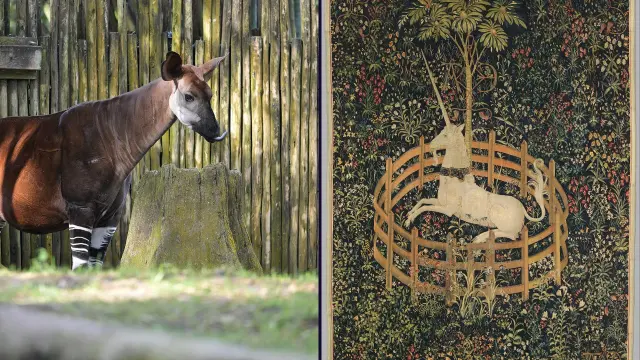 Real or legendary?
Nature
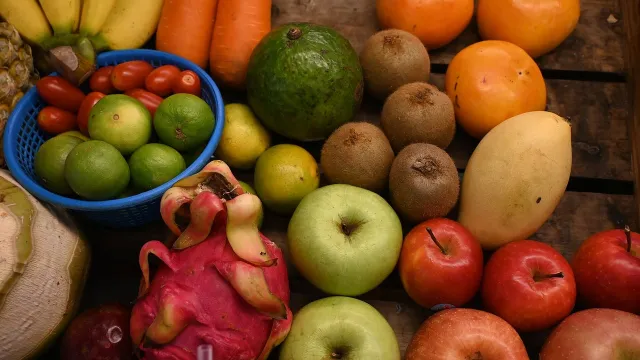 Fruit or vegetable?
Nature
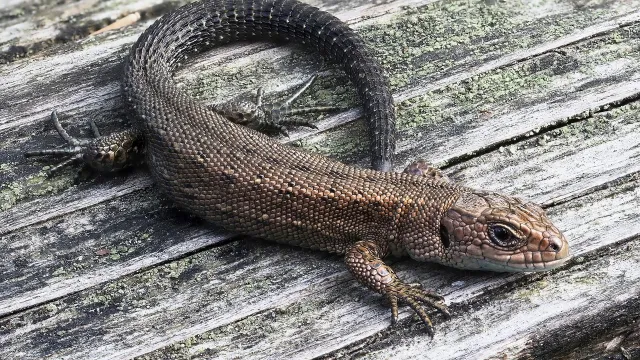 Viviparous or oviparous?
Nature
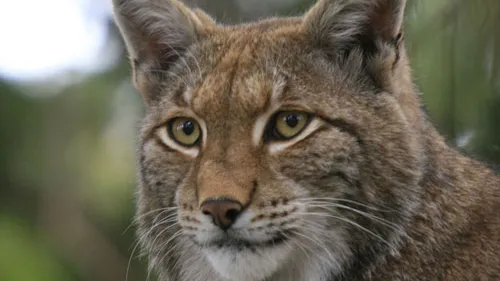 Feline or canine?
Nature
Quizzes for the naturally curious
A mammal that lays eggs, a fruit cooked like a vegetable, a wild cat that looks like a dog: the living world is full of traps. Our nature quizzes turn these surprises into a quick sorting game. Just swipe each card to the right side before the timer runs out, with no sign-up or download.
Biology rather than appearances
When appearances deceive, biology usually has the last word. Each sorting rule follows scientific criteria: how species are related, how they reproduce or the botanical definition of a fruit. Every answer is explained at the end of the game, so you understand why a species belongs on one side rather than the other.
Learning through play
A mistake followed by its explanation sticks far better than a lesson you have only read. Short games can be replayed as often as you like, on mobile or desktop, making them a good companion to documentaries, nature walks and biology revision.
Frequently asked questions
What is biological classification?
It is the way scientists group living things according to how closely they are related: kingdom, phylum, class, order, family, genus and species. Since the late 20th century, it has relied more and more on DNA, which reveals links invisible to the naked eye.
Why are appearances so misleading in nature?
Very distant species can look alike because they live in similar environments: this is called convergent evolution. Conversely, close relatives can look very different. Resemblance alone is never enough to classify a living thing.
How many living species do we know?
Around two million species have been described so far, including more than a million insects. Yet scientists estimate that millions more remain to be discovered, especially in tropical forests and the oceans.
How can I improve my science knowledge?
Documentaries, natural history museums and time spent outdoors remain excellent ways to learn. Quizzes help too: a mistake followed by its explanation sticks far better than a lesson you have only read.