Skip to content

Game over

Score 000000

Does this animal or object weigh more or less than 10 kg?

Time 20
  1. Card 1
  2. Card 2
  3. Card 3
  4. Card 4
  5. Card 5
  6. Card 6
  7. Card 7
  8. Card 8
  9. Card 9
  10. Card 10

Keyboard: ←→orQDorAD

The answers

More or less than 10 kg?

Less than 10 kg 16

  • White-handed gibbon Right Wrong

    Despite its long arms and its acrobatics in the treetops, this small ape from South-East Asia weighs only about 4 to 8 kg. Being so light lets it swing from branch to branch at great speed.

  • Golden eagle Right Wrong

    With a wingspan of more than two metres, it is an impressive bird, yet a golden eagle weighs only about 3 to 7 kg. As in many birds of prey, the female is noticeably heavier than the male.

  • Two-toed sloth Right Wrong

    This South American mammal weighs about 4 to 8 kg. It spends most of its life hanging from trees and digests so slowly that a meal can take several weeks to pass through its stomach.

  • Red panda Right Wrong

    The red panda, which lives in the forests of the Himalayas, weighs about 3 to 6 kg, barely more than a large cat. It feeds mainly on bamboo, like its distant namesake, the giant panda.

  • Dachshund Right Wrong

    The official breed standard puts the ideal weight of a standard dachshund at around 9 kg. Its miniature and rabbit varieties are lighter still. This short-legged dog was originally bred to hunt badgers in their setts.

  • Jack Russell terrier Right Wrong

    This small, very energetic English terrier weighs about 5 to 6 kg. It was bred in the 19th century by the Reverend John Russell for fox hunting, hence its stamina and strong character.

  • Domestic cat Right Wrong

    An adult cat weighs on average 3.5 to 5 kg. Even the largest breeds, such as the Maine Coon, rarely exceed 8 kg without being overweight. A cat approaching 10 kg is usually too fat.

  • Alpine marmot Right Wrong

    The marmot weighs about 3 kg when it comes out of winter and can approach 7 or 8 kg by autumn. It builds up these fat reserves to last through its six months of hibernation.

  • European hare Right Wrong

    Bigger and heavier than the wild rabbit, the European hare still weighs only 3 to 5 kg. Its long, powerful hind legs allow it to exceed 60 km/h at full speed.

  • Nine-banded armadillo Right Wrong

    This American armadillo weighs about 3 to 6 kg. Its shell is made of bony plates, and the female almost always gives birth to four identical young, all from the same egg.

  • Humboldt penguin Right Wrong

    This penguin from the coasts of Chile and Peru weighs about 4 to 6 kg. It lives in a much milder climate than most of its cousins and nests in burrows dug into guano.

  • Bowling ball Right Wrong

    The rules limit the weight of a bowling ball to 16 pounds, or 7.26 kg. Players often choose a lighter ball, of 5 to 7 kg, suited to their strength and throwing style.

  • Pack of six 1.5-litre bottles of water Right Wrong

    A litre of water weighs about 1 kg, so the 9 litres in the pack weigh about 9 kg. Even with the plastic of the bottles and the shrink wrap, it stays just under 10 kg.

  • Tour de France racing bike Right Wrong

    Cycling's governing body, the UCI, sets a minimum weight of 6.8 kg for racing bikes. Thanks to carbon fibre, professional riders' bikes generally weigh around 7 kg.

  • Electric guitar Right Wrong

    A solid-body electric guitar usually weighs between 3 and 5 kg. The heaviest solid-wood models approach 5 kg, which your shoulder will feel by the end of a long gig.

  • Sperm whale's brain Right Wrong

    The sperm whale has the largest brain in the animal kingdom, at about 7 to 8 kg. That is five times more than the human brain, which weighs around 1.4 kg.

More than 10 kg 16

  • Emperor penguin Right Wrong

    The largest of the penguins weighs between 22 and 45 kg depending on the season. The male, who incubates the egg throughout the Antarctic winter without eating, can lose almost half his weight during this long fast.

  • Eurasian beaver Right Wrong

    The beaver is the largest rodent in Europe: an adult usually weighs between 15 and 30 kg. Its orange teeth, strengthened with iron, let it fell trees to build its dams.

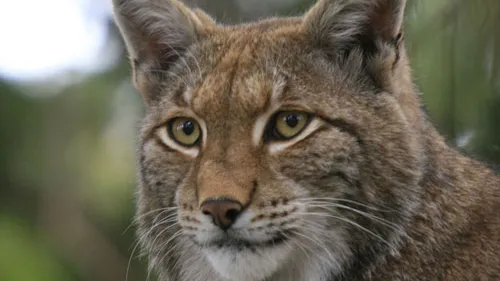
  • Eurasian lynx Right Wrong

    The Eurasian lynx usually weighs between 15 and 30 kg, the male being heavier than the female. It is the largest wild cat in France, found mainly in the Jura and the Vosges mountains.

  • English cocker spaniel Right Wrong

    The breed standard puts the English cocker spaniel at roughly 13 to 14.5 kg. This British gundog owes its name to the woodcock, which it flushed out for hunters.

  • Border collie Right Wrong

    This sheepdog from the border between Scotland and England usually weighs between 12 and 20 kg. It is often described as one of the most intelligent dog breeds.

  • Bennett's wallaby Right Wrong

    This small cousin of the kangaroo weighs about 11 to 15 kg for the female and up to 20 kg or more for the male. Wallabies that escaped from a park have lived wild in the Rambouillet forest, near Paris, since the 1970s.

  • Common wombat Right Wrong

    This stocky Australian marsupial weighs 20 to 35 kg. It is famous for its cube-shaped droppings, which do not roll away and which it uses to mark its territory.

  • English bulldog Right Wrong

    The breed standard puts the English bulldog at around 25 kg for males and 23 kg for females. Despite its small size, this stocky dog is much heavier than it looks.

  • Central bank gold bar Right Wrong

    The standard bar traded between central banks contains about 400 troy ounces of gold, or nearly 12.5 kg. The one-kilo bars more common among private buyers are much smaller.

  • Full butane gas bottle Right Wrong

    A standard French domestic butane bottle holds 13 kg of gas. Add the weight of the steel bottle itself, about 10 kg, and you are lifting more than 20 kg every time you change it.

  • 12-litre scuba tank Right Wrong

    A 12-litre steel scuba tank already weighs about 14 to 15 kg when empty. It has to withstand a pressure of 200 bar or more, which requires thick walls.

  • Hollow concrete block Right Wrong

    A standard 20 × 20 × 50 cm hollow concrete block weighs about 15 to 20 kg, despite its cavities. On a building site, a bricklayer handles hundreds of them, which explains the lighter versions on sale today.

  • Wheel of Comté cheese Right Wrong

    A wheel of Comté weighs 32 to 45 kg. It takes about 450 litres of milk to make one, then at least four months of ageing, often much longer, before it is cut.

  • 20-litre jerrycan of petrol Right Wrong

    A litre of petrol weighs about 750 g, so 20 litres weigh around 15 kg. Add the jerrycan itself and you are well over 10 kg. Petrol is lighter than water, but not light enough to get under the bar.

  • Knight's full suit of armour Right Wrong

    A 15th-century suit of plate armour usually weighs 15 to 25 kg. Spread over the whole body, it allowed a knight to run, mount a horse and even get up unaided after a fall.

  • Dutch bike Right Wrong

    With its steel frame, mudguards, rear rack and built-in lock, the classic Dutch bike often weighs between 18 and 25 kg. It is built to last, not to climb mountain passes.

Wild animals, pet dogs, everyday objects and curiosities: in this quiz, everything hinges on a single line, the 10-kilo mark. For each animal or object, guess whether it weighs more or less than 10 kg. For animals, we use the usual weight of a healthy adult. For objects, we mean the standard version, ready to use. Don't trust your instincts too much: what looks big isn't necessarily heavy, and the reverse is true too!

How to play

Swipe the card left or right
Or tap the two buttons

On a computer: ←→orQDorAD

10 cards, 20 seconds: the timer starts with your first choice.

Frequently asked questions

What is the difference between mass and weight?

In physics, mass is measured in kilograms and stays the same everywhere. Weight is the force of gravity acting on that mass, measured in newtons. On the Moon, a 10 kg object keeps its mass but weighs six times less. In everyday life, the two words are used interchangeably.

How is the kilogram defined?

For more than a century, the kilogram was defined by a platinum-iridium cylinder kept at Sèvres, near Paris. Since 2019, it has been based on a constant of physics, the Planck constant. This change guarantees a stable definition that no longer depends on an object that could deteriorate.

Why does an animal's weight vary so much?

An animal's weight depends on its sex, age, region and the season. Many species build up reserves before winter, then lose them during hibernation or fasting. In some birds and mammals, males and females also have very different weights.

How do you weigh a wild animal?

Scientists often weigh animals when they are caught for research or treatment, using scales or spring balances. For the largest ones, they estimate the mass from body measurements or photos. The weight ranges published sum up hundreds of measurements.

Photo credits

White-handed gibbon : Photo JJ Harrison, CC BY 3.0, Wikimedia Commons ; Golden eagle : Photo Giles Laurent, CC BY-SA 4.0, Wikimedia Commons ; Two-toed sloth : Photo Dave Pape, domaine public, Wikimedia Commons ; Red panda : Photo H. Zell, CC BY-SA 3.0, Wikimedia Commons ; Dachshund : Photo localpups, CC BY 2.0, Wikimedia Commons ; Jack Russell terrier : Photo Plank, CC BY 3.0, Wikimedia Commons ; Domestic cat : Photo Alvesgaspar, CC BY-SA 3.0, Wikimedia Commons ; Alpine marmot : Photo Giles Laurent, CC BY-SA 4.0, Wikimedia Commons ; European hare : Photo Charles J. Sharp, CC BY-SA 4.0, Wikimedia Commons ; Nine-banded armadillo : Photo Rhododendrites, CC BY-SA 4.0, Wikimedia Commons ; Humboldt penguin : Photo William Crochot, CC BY-SA 4.0, Wikimedia Commons ; Bowling ball : Photo RCraig09, CC BY-SA 4.0, Wikimedia Commons ; Pack of six 1.5-litre bottles of water : Photo Rlsheehan, CC BY-SA 4.0, Wikimedia Commons ; Tour de France racing bike : Photo Tim Reddington, CC BY-SA 4.0, Wikimedia Commons ; Electric guitar : Photo Anil Öztas, CC BY 4.0, Wikimedia Commons ; Sperm whale's brain : Photo Gabriel Barathieu, CC BY-SA 2.0, Wikimedia Commons ; Emperor penguin : Photo Ian Duffy, CC BY 2.0, Wikimedia Commons ; Eurasian beaver : Photo NasserHalaweh, CC BY-SA 4.0, Wikimedia Commons ; Eurasian lynx : Photo David Castor, domaine public, Wikimedia Commons ; English cocker spaniel : Photo Pleple2000, CC BY-SA 3.0, Wikimedia Commons ; Border collie : Photo Janesalway, CC BY-SA 4.0, Wikimedia Commons ; Bennett's wallaby : Photo Noodle snacks, CC BY-SA 3.0, Wikimedia Commons ; Common wombat : Photo JJ Harrison, CC BY-SA 3.0, Wikimedia Commons ; English bulldog : Photo kaz (Pixabay), CC0, Wikimedia Commons ; Central bank gold bar : Photo Szaaman, domaine public, Wikimedia Commons ; Full butane gas bottle : Photo Kolforn, CC BY-SA 4.0, Wikimedia Commons ; 12-litre scuba tank : Photo Vyacheslav Argenberg, CC BY 4.0, Wikimedia Commons ; Hollow concrete block : Photo katorisi, CC BY 2.5, Wikimedia Commons ; Wheel of Comté cheese : Photo Orr10, CC BY-SA 4.0, Wikimedia Commons ; 20-litre jerrycan of petrol : Photo Thiemo Schuff, CC BY-SA 3.0, Wikimedia Commons ; Knight's full suit of armour : Photo Göran Schmidt, domaine public, Wikimedia Commons ; Dutch bike : Photo Umberto Brayj, CC BY 2.0, Wikimedia Commons