
Antiquity quizzes: Egypt, Greece and Rome
Pharaohs, Greek city-states, Roman emperors and great ancient civilisations: 1 free Antiquity quiz to travel back in time and test your knowledge of history.
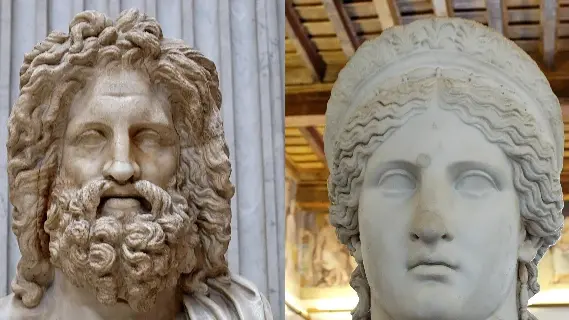
Quizzes to take you back in time
The pyramids, the Parthenon, the Colosseum: the ancient world has left behind monuments that everyone recognises, but the dates, names and civilisations often end up getting mixed up. These Antiquity quizzes challenge you to put them in the right order in a matter of seconds, by sliding each card to the correct side before the timer runs out.
Civilisations of the ancient world
Pharaonic Egypt, the city-states of Greece, the Roman Republic and Empire, as well as Persia, Gaul and Mesopotamia: each quiz asks a simple question about a people, a figure or a monument. The great classics sit alongside more specialised topics.
Answers explained
At the end of the game, each card is explained: dates, context, anecdotes and the traces they've left for us today. It'll give you a whole new perspective on the next set of ruins you visit.
Frequently asked questions
When does Antiquity begin and end?
By convention, Antiquity begins with the invention of writing, around 3300 BC, in Mesopotamia. In Europe, it is often considered to have ended in 476, with the fall of the Western Roman Empire. These dates serve as reference points: every region of the world has its own chronology.
What remains of Antiquity today?
A great many things: the Latin alphabet, a large part of the vocabulary of French and English, Roman law, the idea of democracy inherited from Athens, theatre, and the Olympic Games, revived in 1896. Entire cities, such as Pompeii, also show how people lived two thousand years ago.
How do we know about Antiquity?
Through texts – copied down over the centuries or discovered on papyri and inscriptions – and through archaeology, which studies monuments, artefacts and traces left in the ground. Recent techniques, such as ancient DNA analysis and satellite imagery, continue to advance our understanding.